
Transformational Leadership Driven by Data

In the previous post, I introduced DORA’s concept of software delivery and operational performance (SDO) metrics and their connection to CPM & KPI. DORA aims to identify the key factors that drive velocity and effectiveness in software development through statistical analysis.
In that post, we briefly discussed the major touch-points for creating a technology vision. Assuming that the hard work of building the vision has already been completed, now, the focus is on transforming the enterprise to align with the technology vision and execute it. DORA has conducted research on this process as well, revealing that technical leadership plays a statistically significant role in achieving outstanding software engineering performance. However, the most impactful leadership style may differ from what you expect.
DORA research shows that effective leadership has a measurable, significant impact on software delivery outcomes. However, rather than driving these outcomes directly, effective transformational leaders influence software delivery performance by enabling the adoption of technical and product management capabilities and practices by practitioners, which in turn drives the outcomes leaders care about.
DORA-transformational-leadership
The following areas are statistically proven to be the most important aspects of transformational leadership. First, when it comes to vision providing a clear-eyed assessment of the current state will build confidence in a vision for the future. Additionally, an architecture roadmap provides a path to guide the team towards accomplishing that vision.
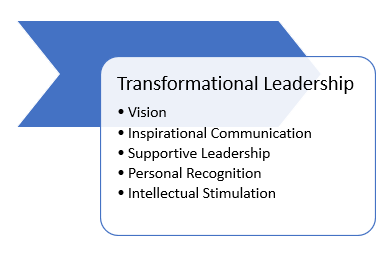
Inspirational communication, supportive leadership, and personal recognition all are supported by a high emotional intelligence (EQ), which is helpful for achieving breakout performance. These practices focus on developing esprit de corps within the team, fostering enthusiasm, devotion, and a strong sense of group honor. They promote team cohesion through mutual trust and respect for both individuals and the team. So, how can we put these practices into action?
According to DORA, inspirational communication involves saying positive things about the team, expressing pride in being part of the organization, and encouraging individuals to view changing conditions as opportunities. However, I’d like to emphasize that it’s more effective to genuinely feel positive about the team and then express those feelings. Creating opportunities through changing conditions provides the team with empirical evidence that changes bring new possibilities.
Supportive leadership involves considering the feelings of others, demonstrating empathy, and providing feedback discreetly. Recognize individual accomplishments publicly and offer guidance privately. Be mindful of personal needs, honor boundaries, and consider the preferences of each individual. To explore this idea further, I recommend reading “The Platinum Rule,” which suggests treating others as they wish to be treated, not how you prefer to be treated. Adapt your communication style to meet the needs of each person and consider their individual circumstances before taking action.
Personal recognition entails commending individuals and teams when they excel in their work. Personally compliment team members when they do outstanding work, but keep in mind that the form of praise may vary for different individuals. While public congratulations are often welcomed, some introverted individuals might prefer an email. Be flexible in your approach.
Lastly, intellectual stimulation involves challenging the team to approach problems from new perspectives. This is a crucial aspect that drives organic innovation throughout the organization. I will be write another blog series covering several approaches and tools to support innovation as a practice.
All of these elements are necessary for building transformational leadership, but they are not sufficient. Leaders cannot achieve high performance alone; they need the right combination of technical and product management practices to succeed. In Part 3, we will delve into right-sizing your operational practices to meet the demands of the business, along with the surprising benefits of documentation in high-performing teams.
 A Social CTO Blog
Leave a comment